AgroFocus Blog Series

Plants Are Very Coachable
Coachable: capable of being easily taught and trained to do something better. (The Britannica Dictionary)
When I started to develop my thoughts around blog # 7, I wanted to build on our path of growth, both with plants as well as with us. Reflecting on the topic from Blog # 6 of a quadrathlon and the four disciplines it involved brought me to what it takes to create success.
Knowing that plant establishment and early vegetation stages are behind us, we are concentrating on reproduction from flowering through pollination and then on to crop fill and maturity. As we look at how we will manage these next two processes, I reflected on how an athlete becomes successful and what develops progressive and strategic growers. Coachability and mentorship were the first things that surfaced in my mind.
For each of us to continually improve, we must have a written plan and remain open to change, along with the willingness to build our knowledge and experience. Being open to new concepts and ideas will allow us to grow and expand our thinking processes. This is where a mentor, coach, or accountability partner can support our growth.
So, how does this relate to plants and the crops that we are growing, and is the concept of coaching our plants through the season even have any merit? To that end, I would like you to consider the influence that you have on your crops, along with how they develop throughout the season. Like how we develop and grow, that is exactly what we want to achieve with our crops.
From the minute we place the seeds or plants in the ground internally, they each have a written plan to develop and grow a seed for their replacement. Plants grow and adapt, learning from their environment every day. Plants are very open to change and are very progressive and strategic as they navigate through the season. Adaptation to abiotic and biotic stresses is how they exist and flourish in nature because they exist within nature. If we can understand our role as a coach, we will develop a strategy that amplifies the processes that the plant initiates, allowing for greater success throughout the season.
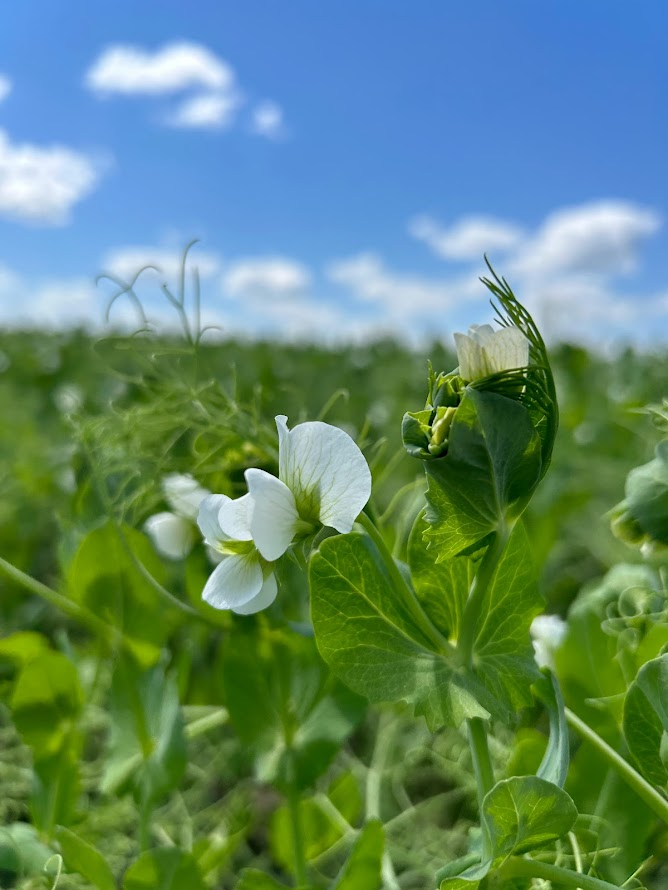
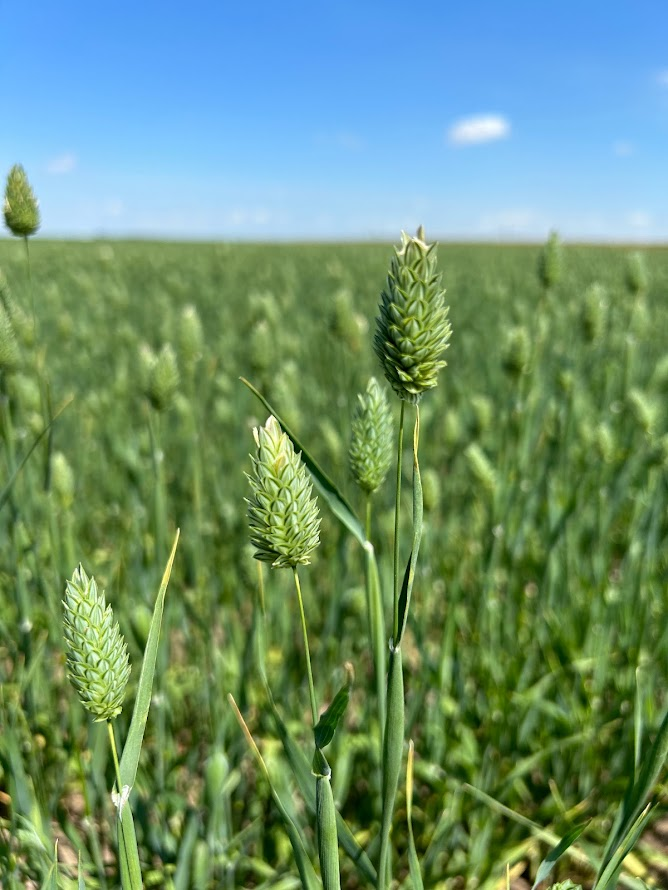
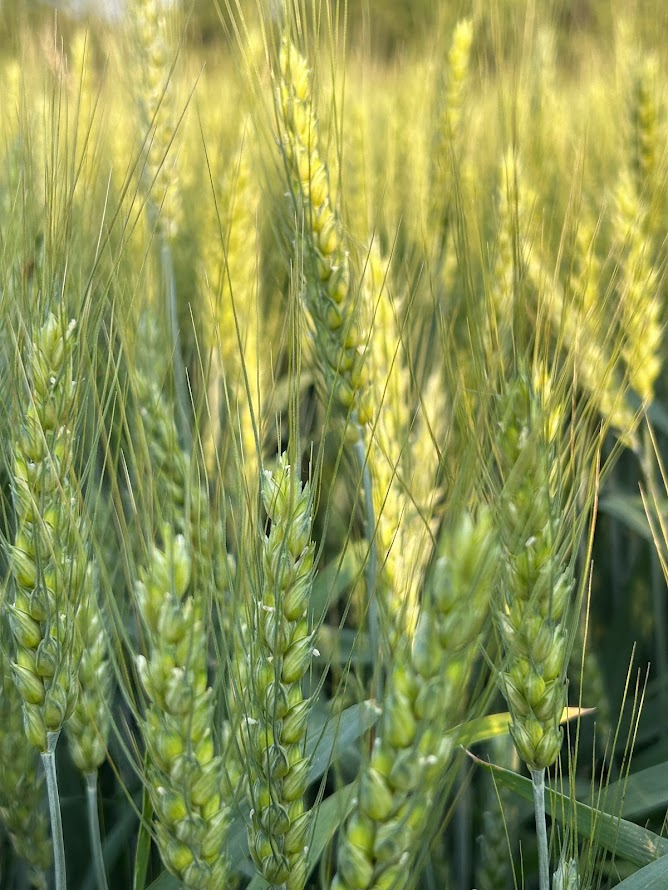
As mentioned in my last blog, reproduction is happening quickly, and we need to coach through flower set and development, supporting plant health for improved pollination and seed/fruit set. This crucial timing passes very quickly and takes attention to detail for us to make corrections on the fly. By looking at this third discipline through the eyes of a coach, we will understand what is taking place within the plant and understand the requirements of the plant to develop success.
At ALPINE, we continue to develop new products that will support plant requirements, enhancing metabolism and energy and allowing plants to achieve their genetic potential. Our patented ALPINE Bio-K has been designed as one of the most effective coachable choices for your plants. By increasing nutrient uptake and root exudation, we strengthen the relationship between plants and soil. This increased connection enhances microbial communication, nutrient availability, and water management as well. These benefits synergize your crops to take advantage of your total cropping plan, Maximizing Fertilizer Efficiency throughout the complete season.
In wrapping up this blog around “Plants Are Very Coachable,” I want to encourage everyone to continue ground truthing and spend time understanding the value of manganese and boron, along with calcium and magnesium, when we are looking to enhance metabolism and pollination. I also encourage you to reach out to your ALPINE Dealer and DSM network to better understand why to include ALPINE Bio-K, enhancing your plants’ potassium while Maximizing Fertilizer Efficiency across your farm!! (Steve McQueen Blog #6)
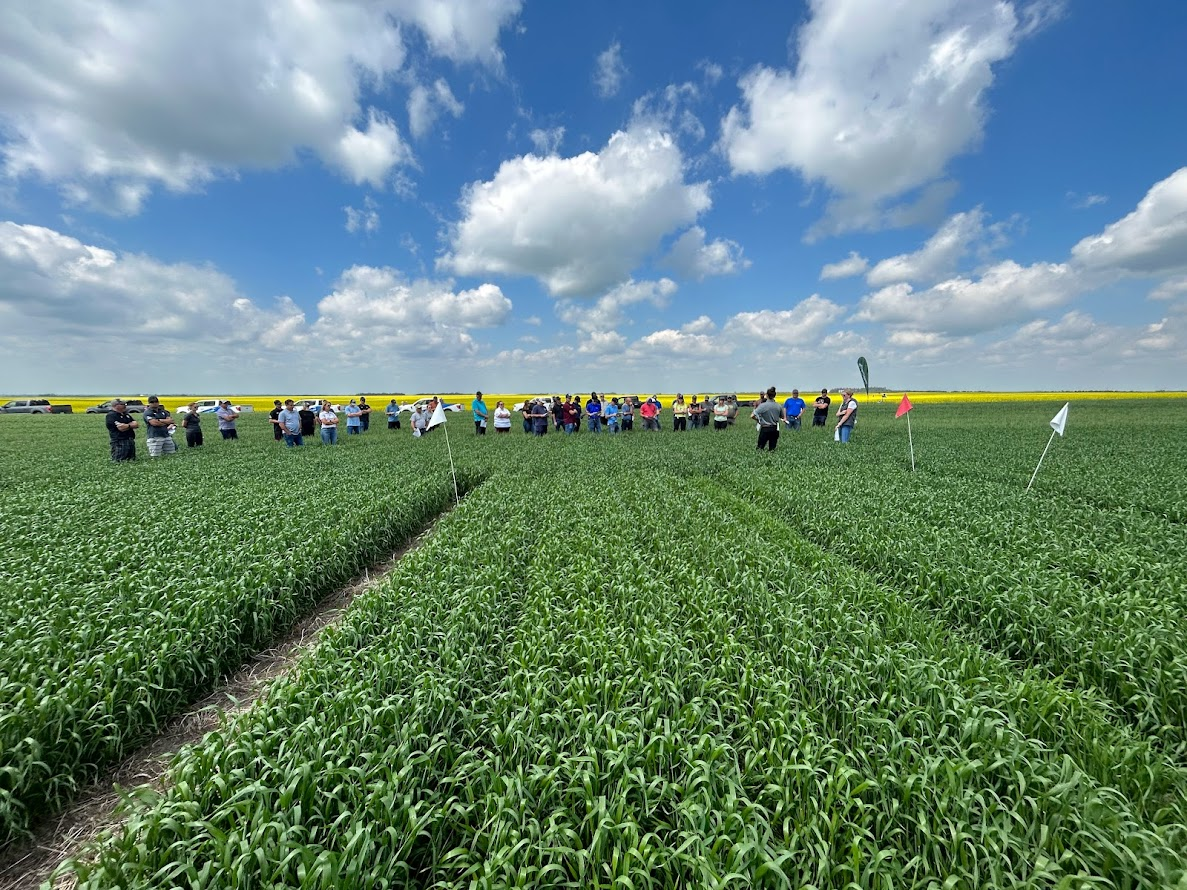
Plant Establishment, Early Vegetation, Reproduction, and Crop Fill through Maturity all lead to increased plant health and yield. Remember, plants are rooted and can not move. To better understand how to coach them, you must walk amongst them!
-Steve McQueen, Agronomy Manager