#plant18 Update
Planting is complete and sprayers, nitrogen bars and top dress units are busy; in some geographies and on some crops harvest has begun.
This is one of my favorite times of the year. This is the time we begin to see and understand the fruits of our labor as well as take in all the lessons the field has to offer. It’s the time of the year agronomists and growers alike get to see firsthand how their programs, techniques and new technologies have added opportunity to their standard methods of production.
A great example of this is a few weeks back. I was working in SW Georgia where I met up with Luke Johnson of Walther Farms and we were taking a look at some of their potato acres there that have two of our newest technologies added to their practice: NACHURS Rhyzo-Link and NACHURS K-fuel.
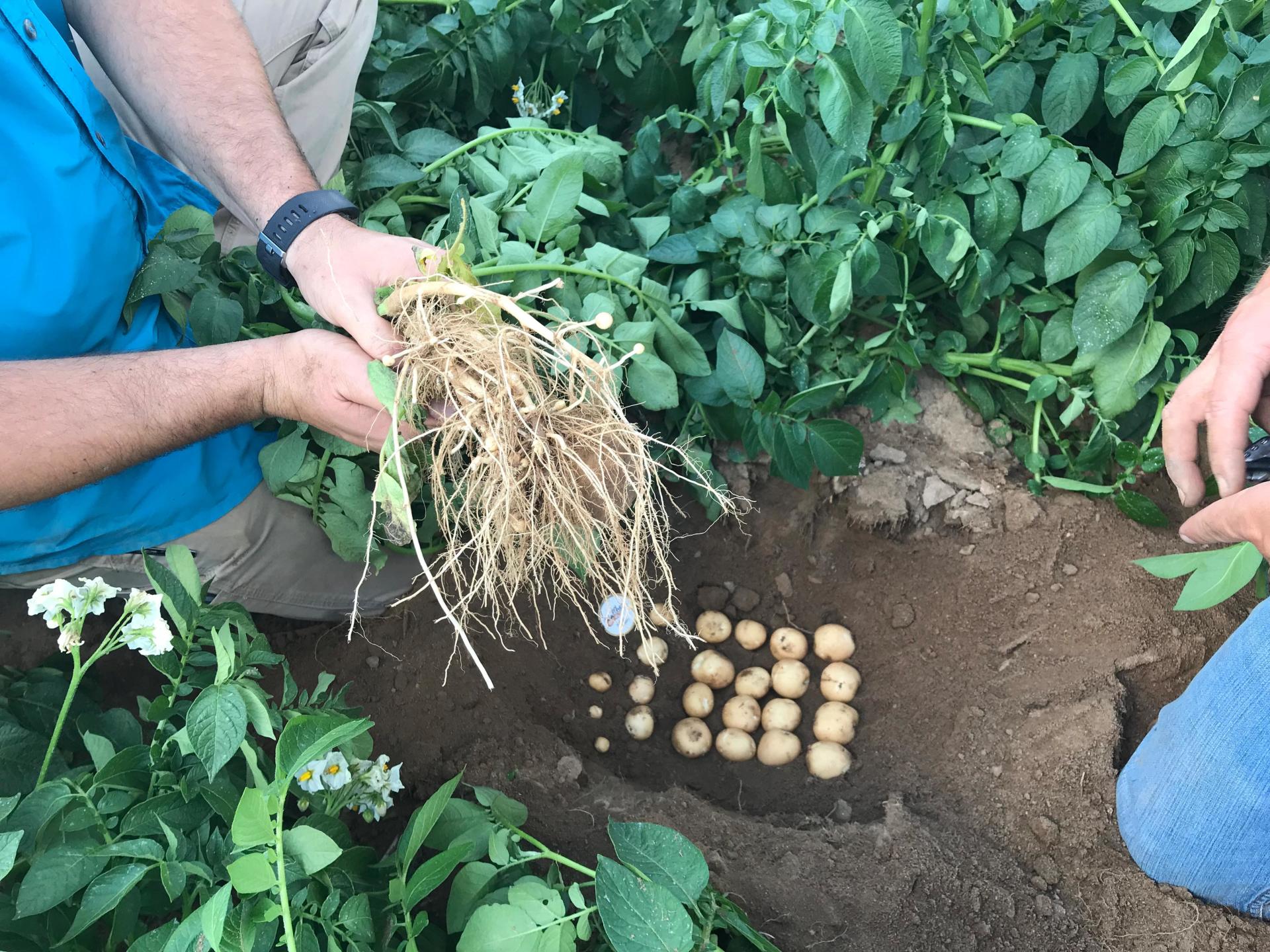
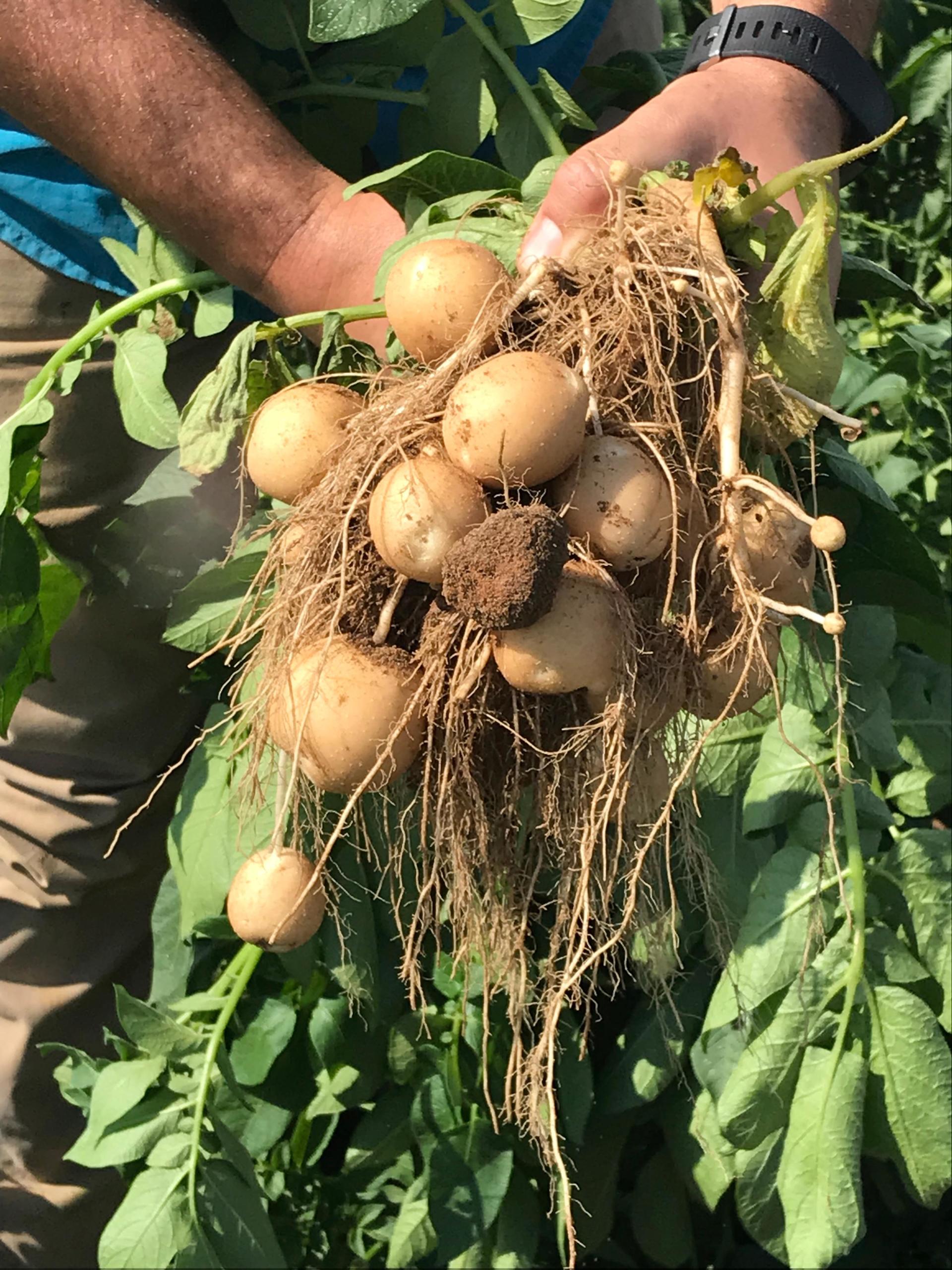
We walked out into the fields and performed a number of test digs to see what was going on in the rhizosphere in terms of plant health, tuber development and count; what we found was quite interesting!
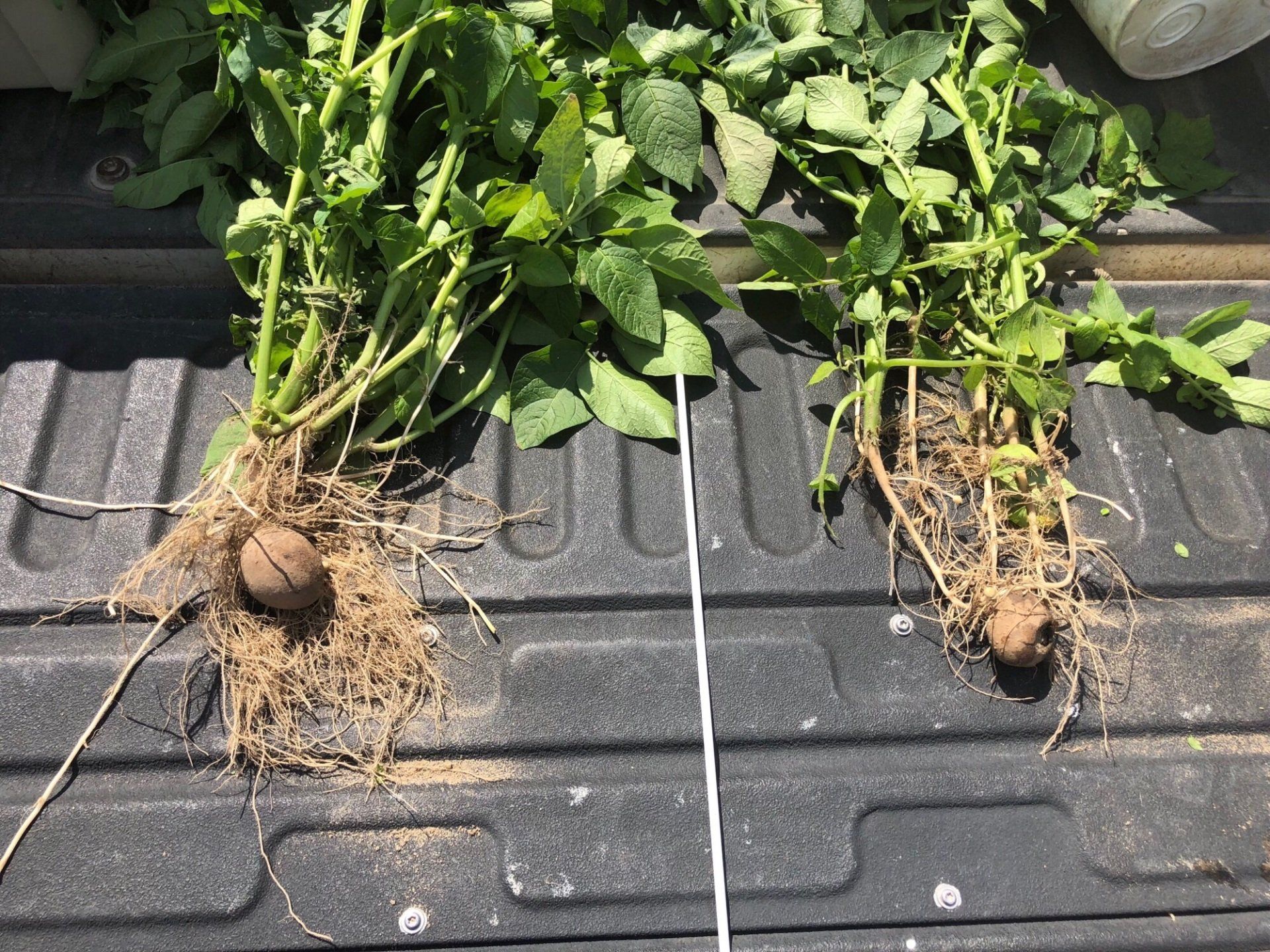
First of all we found a good deal of difference in the root mass and the number of tubers set where the Rhyzo-Link and NACHURS K-fuel were added. The root mass was significantly more robust and in that area where the soils are very sandy and the phosphorus availability is challenged the larger more robust root system can be a good benefit where nutrient mineralization and assimilation as well as water use in concerned.
Another interesting find was that where the Rhyzo-Link and NACHURS K-fuel were used the seed piece was still intact!
Where the standard treatment was being used the seed piece had rotted or was rotting away but where the Rhyzo-Link and NACHURS K-fuel were applied the seed piece was free of disease and appeared undamaged. This was certainly something that I hadn’t anticipated finding but yet found quite interesting. I surmised that improving the rhizosphere with beneficial rhizobacteria (PGPR) can lend secondary value by improving the overall health of the rhizosphere. It would seem that the beneficial rhizobacteria, through competition and antagonism, may have suppressed the non-beneficial influences.
At the time of my field visit I also noticed that there were still more small tubers that had initiated and were developing. We didn’t pluck them off of the plant to count but it’s quite possible that some of those will be large enough to count when harvest time is upon us!
I’m finding a number of areas where the proper placement of rhizobacteria is offering opportunity into our production and a great way to see it all expressed is in the field. It’s a great reminder that setting the stage or initiating the opportunity must be supported throughout the year. Once you develop a good sound foundation (root system) you have established the opportunity and can then build the crop and push it to new levels.
If you’re not currently doing a lot of field scouting or follow up on plating and crop development, I encourage you to do so; Mother Nature is an incredible teacher! There are lessons to be learned in the field, it’s where theory, new technology and practice meet the reality of production. It’s where we as professionals get to see the benefit of new products expressed and receive further education that adds value to our industry.
The NACHURS Rhyzo-Link and NACHURS Bio-K lines of products are adding value to crops by way of improved yield, quality and return on investment. If you want to learn more about these two product lines you can click the product tab at www.nachurs.com or contact your nearest Dealer or NACHURS representative.