
Jenny Phillips, Marketing • May 12, 2020
Y’all, I can’t even keep my succulent alive. Can you imagine the pressures of a farmer… responsible for acres of crops to feed and clothing an entire planet?!
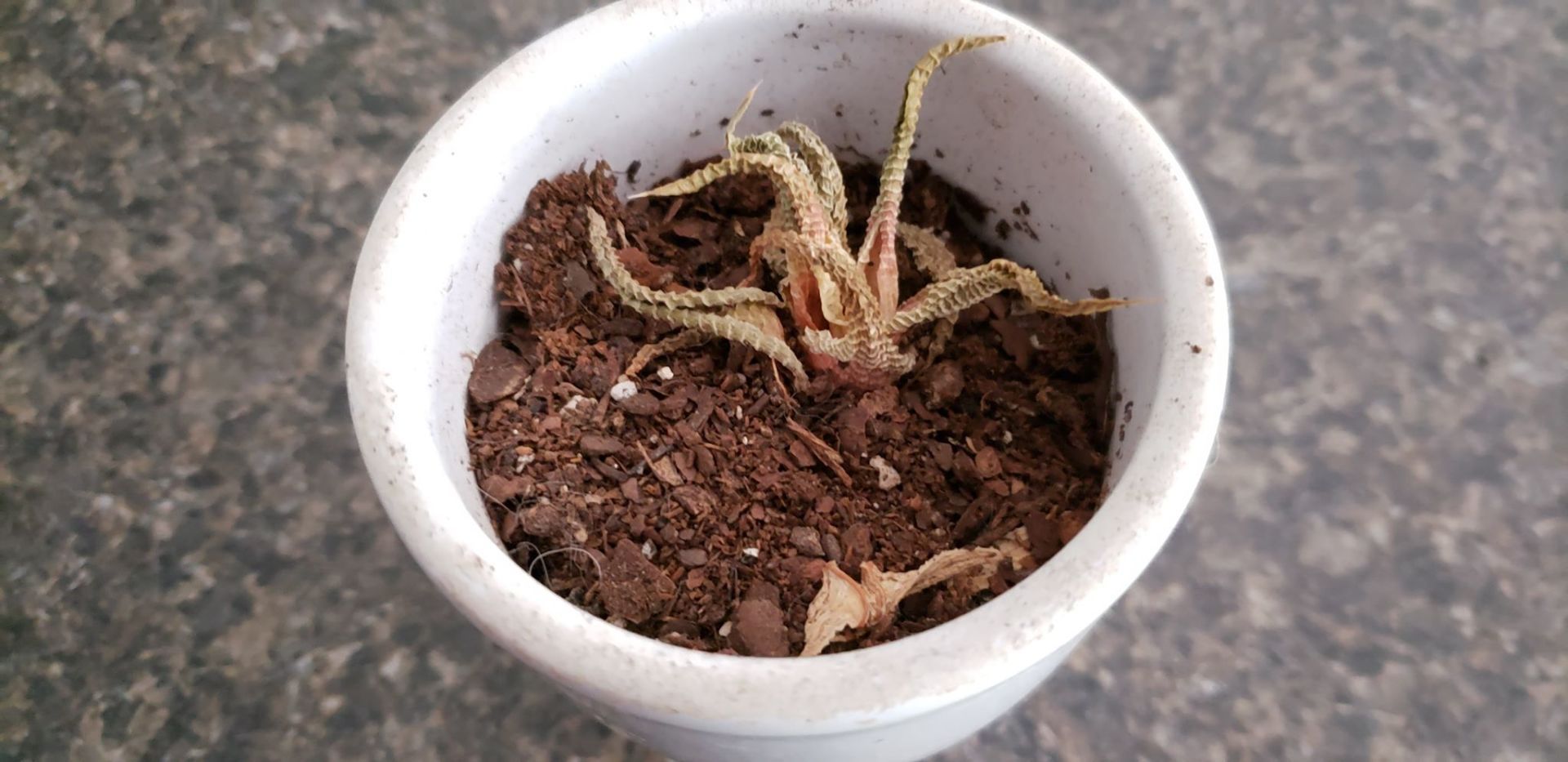
2020 has been extremely frustrating for most of us as COVID19 has disrupted the norms of our daily lives. We have learned a lot from each other, gained a lot of new perspectives, laughed… cried. But as I look at my crispy succulent, I realize that a lot of my frustrations and concerns pale into comparison to what our farmers and ranchers are dealing with across the country. This is their livelihood, families and traditions that are at stake. So…
- while you are scoffing at increasing prices of groceries a vegetable farmer is destroying his crops from lack of demand from restaurants.
- while you are limited on buying your milk at the store a dairy farmer is forced to dump thousands of gallons of fresh milk into manure pits.
- while you are disappointed at not being able to eat your usual Wendy’s cheeseburger a cattle farmer is suffering from what is estimated to be a predicted industry loss of 13.6 billion.
- while you are missing your favorite restaurant’s homemade cut fries a potato farmer is dumping his crop.
- while you are aggravated that you can’t go on your vacation with such cheap gas prices, a corn farmer suffers from ethanol plant shutdowns.
- while you miss perusing the retail racks for a new outfit, a cotton farmer worries about the textile industry and exports and is forced to plant less acres.
- while you realize you forgot bacon on your grocery list and have to make that extra trip a hog farmer is battling with issues of market prices being down by 50%.
- while you are feeling tired of being cooped up inside many farmers are facing bankruptcy and losing everything that they’ve worked generations for.
Farmers already have so many pressures that they work against on a daily basis: choosing the right inputs and equipment, unpredictable Mother Nature, political and social issues… As a former big city girl (that still can’t manage to keep her plants alive), I have much respect for the men and women that are the backbone of this great nation. I am proud to work for a company that provides the nutrition needed to help crops thrive and make growers successful during such an unprecedented time.
Much respect to our men and women in our agriculture.
DEUTERONOMY 28:8
The LORD will send a blessing on your barns and on everything you put your hand to. The LORD your God will bless you in the land.

By Steve McQueen, Agronomy Manager, Nachurs Alpine Solutions.
When costs tighten, fertilizer decisions often shift toward reducing spend instead of protecting nutrient efficiency.

What importance does potassium and sulfur have on the plant?

The Crucial Role of Boron in Plants
February 6, 2025

The benefits of maximizing potassium efficiency

The benefits of Zinc on Winter Wheat

As I travel across Canada, it has been great to see moisture along much of my path. Greener pastures and ditches in Alberta, lush spring wheat, durum, and lentil crops in Saskatchewan, as well as many triticale, grass, and alfalfa fields, are being cut from British Columbia to Nova Scotia. I do not want to forget those potatoes spread across our country along with many specialty crops. As heat and moisture have brought germination, emergence, and vegetation growth, our crop nutrient management remains a key to success as we monitor the “Points of Influence.” Crop scouting, accompanied by tissue or sap samples, supports crop-based crop protection and foliar nutrient applications. As we have been programmed to concentrate on nitrogen, we are putting a lot of pressure on one nutrient to solve many deficiencies and concerns while ignoring the balance of fertility our crops may be looking for. In this blog post, I will not cover all the nutrient requirements but concentrate a little on magnesium, as I refer to what makes plants green. This spring, a significant amount of discussion surfaced around magnesium, and several growers requested magnesium for their cropping plans. Sometimes, what is new is old; looking back, magnesium has been a big part of many crop plans for decades. In sandy soils, specialty crops, and our high calcitic soils, we are looking to balance our oxygen and moisture space in soil levels. To better understand what we are looking at, I have included a list of what Mg is responsible for as well as soil activity stated: Magnesium Crops require magnesium to capture the sun's energy for growth and production through photosynthesis. Magnesium is an essential component of the chlorophyll molecule, with each molecule containing 6.7 percent magnesium. Magnesium also acts as a phosphorus carrier in plants. Necessary for cell division and protein formation. Phosphorus uptake could not occur without magnesium, and vice versa. Magnesium is essential for phosphate metabolism, plant respiration, and the activation of several enzyme systems.