A legendary employee at Nachurs Alpine Solutions: Ole Velde
Dates of Service: 1969-2019
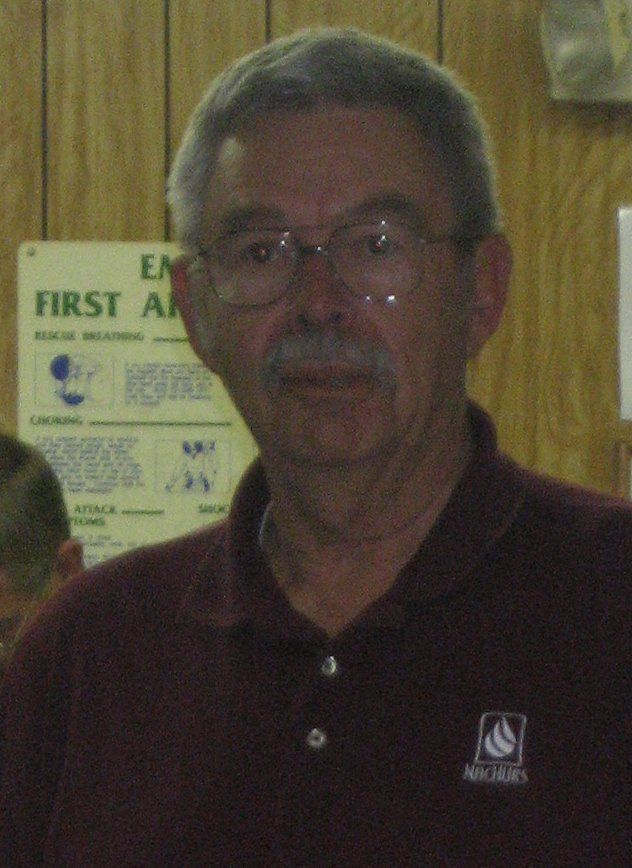
According to an Economic News Release from the Bureau of Labor Statistics the average tenure for employees is 3-4 years at a company. Nachurs Alpine Solutions has a long history of dedicated employees that retire after multiple decades of service. Ole Velde is one of these NAS employees, having built a career with the company for 50 years.
In the early 60s Ole Velde received his Bachelor of Science degree with a double major in Soils and Crops from South Dakota State University. Upon graduation he earned a job with the USDA as a Products Inspector for about 3 years. In the fall of 1969 he applied for the District Sales Manager position for 3 counties in Minnesota, establishing his career at NAS.
In 1972 Ole accepted a position at the Red Oak, Iowa production plant as an agronomist. In 1975 he also helped run the plant from winter to fall as a temporary plant manager, right before moving back to Minnesota to become a field Agronomist. Ole then traveled the country, becoming an expert in writing up fertilizer programs for every crop under the sun. He even had the chance to travel to Africa to look at potential market opportunities. Ole also spent another 10 years filling the role of NACHURS District Sales Manager for a few states.
After dedicating several decades of service as an agronomist and sales manager, Ole semi-retired to a part time position in 2008, focusing on supporting NACHURS Sales staff in Minnesota, North Dakota, South Dakota, and Wisconsin. Over another decade later Ole finally decided to “retire” from his legendary career on October 4th, 2019. His retirement plans include consulting for one of NACHURS Authorized Dealers, Northern Valley Fertilizer located in Manvel, ND.
Ole looks forward to spending more time with his wife Sally, 4 kids, 10 grandchildren, and 2 great grandchildren. He enjoys his family time and attending his grandchildren’s sports. He has also enjoyed staying in Arizona in the winter months.
One may ask why someone would stay so long with a company. Ole said he has seen a lot of changes with the company in his 50 years but two things have never changed: NACHURS sells the best quality products on the market and his belief in such outstanding people.
Ole is best known for his patience, kind nature, knowledge of Agronomy, and confidence in the products and people of NAS. He is also known for his love of Cherry Coke, because “it makes him still feel great the next day”.
We will miss working with Ole but thank him for his valued contributions to the company after 5 full decades of service. It’s been our pleasure working with him and wish him a relaxing and happy retirement.