AgroFocus Blog Series

Strategies to Perserve
Persevere: “Continue in the course of action even in the face of difficulty or with little or no prospect of success." (The Oxford Languages)
Blog # 8 has been something that I have pondered in my mind for many years, and I am sure it is something that we all consider, the ability of plants to always persevere! As we monitor our crops throughout the summer, many of our decisions can be made by discussing the weather at the coffee shop, looking out of the shop window, or hearing the local forecasts. Continuing to build on our path of plant growth, yield, and quality, I have been walking fields, gathering tissue samples, and digging roots with our Research Assistant. These walks are great for clearing the mind but also connect me to the different stages of each crop, including variance across each field, variety, and crop type. As I strongly believe we can only manage what we can measure, the collection of information is how we can build a “Strategy to Persevere.”
Concentrating on reproduction from flowering through pollination and now on to crop fill and maturity, we must realize that plants are adapting every moment of every day. Too wet, too dry, and everything in between causes major calculations within plant cells continuously. As we look at how we will support our crops through this latter part of the season, what are some of the strategies we have at our disposal?
As stated in Blog #7, plants are very progressive and strategic, adapting quickly to biotic and abiotic stress, with their own internal strategies to persevere. But it is at this point that our crops may be looking great or just the opposite, and we step back and allow them to finish the season out on their own. With this being my 45th year of growing crops, I continue to be amazed at how our crops adapt and flourish, and when watching closely will teach us so much.
One strategy is relating tissue/sap samples back to our soil samples, giving a better understanding of the importance of balanced fertility. Comparing the deficient areas in our soils, along with how the growing plants carry these same deficiencies throughout the season, is allowing us to look further into foliar opportunities and, eventually, variable rate applications.
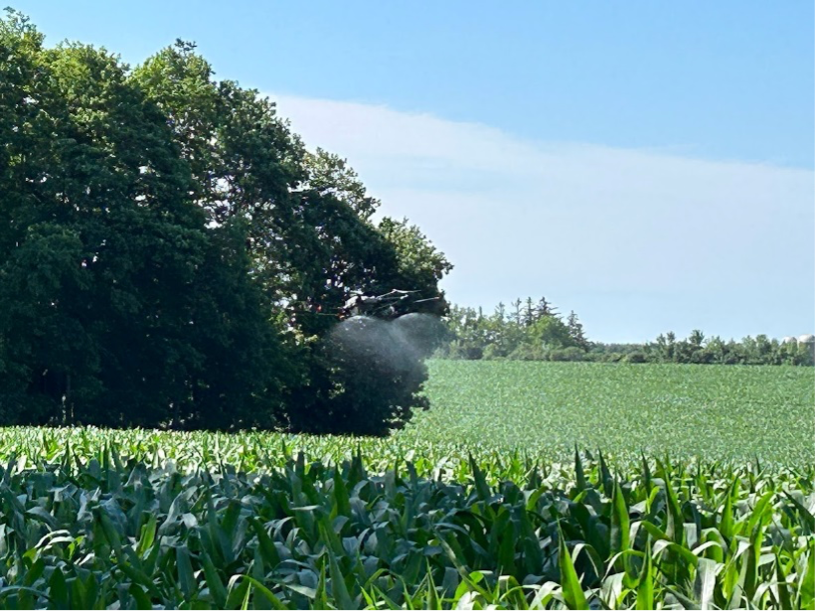
What I have found interesting through a series of tissue samples is that strong and healthy-looking plants still have many different deficiencies. Corn shows P, K, Mg, and Zn, while soybeans show N, P, Mg, B, and Cu. I have attached the tissue samples along with photos of how healthy the crop looks. This, to me, is the hidden hunger that we can only manage if we realize it exists. Knowing we will be through many of our crops with later crop protection passes, we can develop a strategic plan to enhance the plant's potential with a balanced foliar program.
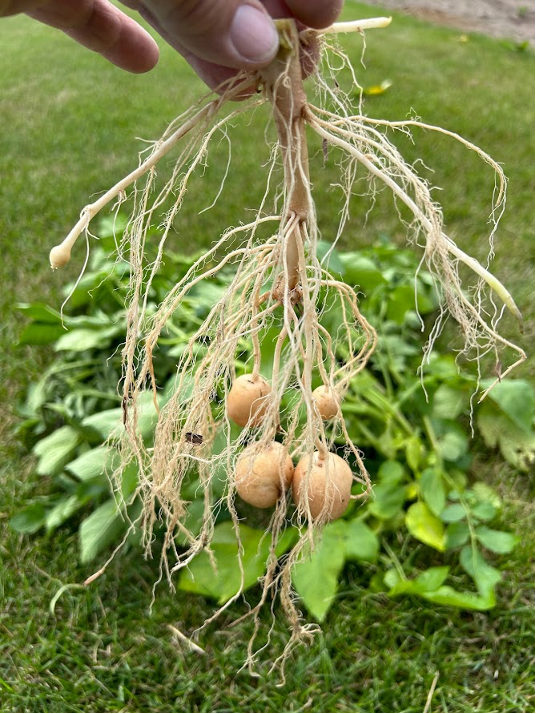
Referring to the roots we have been gathering and sampling, there are some interesting results. First, when we applied our ALPINE Bio-K in-furrow, we found increased root tips and elongation. These tips play different roles, from nutrient and moisture uptake and management to amplifying root anchoring to increase root penetration (Glyn Bengough, B.M. McKenzie, P.D. Hallett, and T.A. Valentine). Secondly, we continue to see nodulation in legumes where ALPINE MicroBolt MoCo was included with an ALPINE in-furrow. This increased nodulation will enhance the top pod fill and strengthen these legumes to better produce the protein we are growing. We are also testing root tips and tuber set in potatoes, supporting our in-furrow ALPINE Starter Program. A third project is water management, and as we are gathering results measuring water use efficiency where we include ALPINE Bio-K in-furrow, these numbers are strengthening our understanding of the advantages of increased root tips. The attached photos give a small sample, and there will be more root-to-shoot discussions in upcoming blogs.
As I wrap up, I hope I have created an awareness around “Strategies to Persevere,” knowing that your crops depend on you to enhance the potential that they are initiating. Spend some time ground truthing, along with a few tissue/sap samples, because what you think you see may be an illusion.
-Steve McQueen, Agronomy Manager
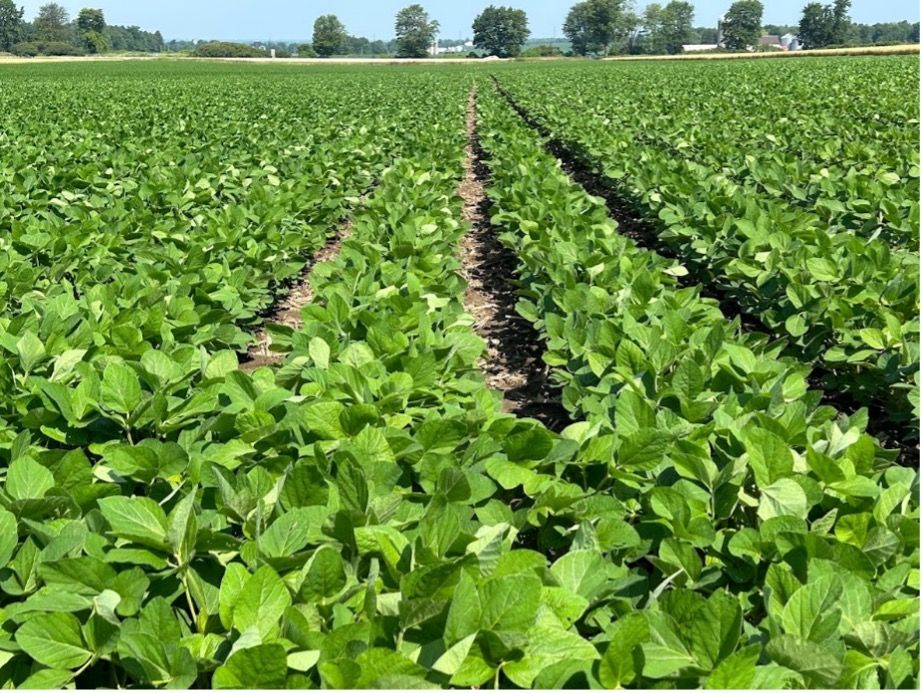
Soybeans Deficient in N, S, P, Mg, B & Cu
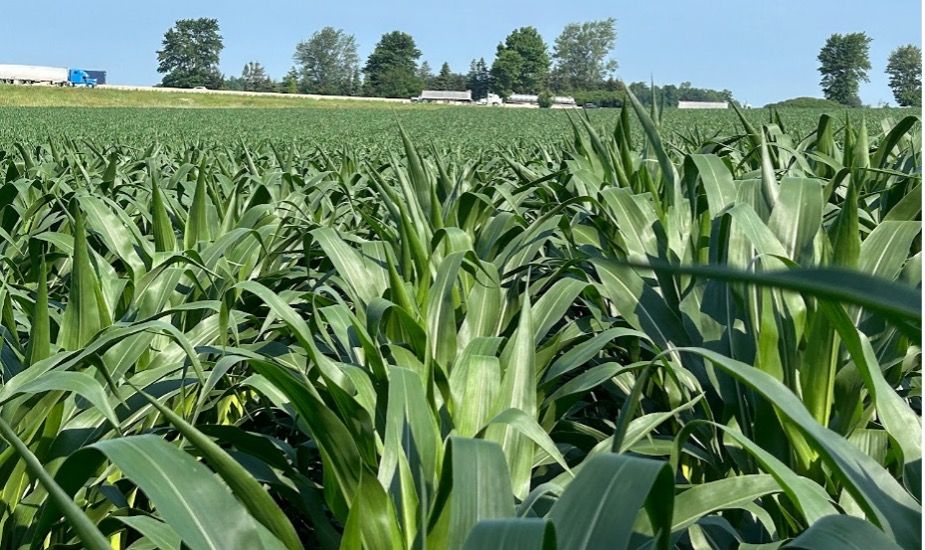
Corn Deficient in P, K, Mg & Zn