AgroFocus Blog Series
An Agronomic August
It is so amazing to monitor and scout crops from mid-July through August as we continue to witness fruit and seed sets. Spending time monitoring our crops for insect and disease pressures, it is now the quality of our yields we are looking to better understand and protect. We also want to have a very close look at what may have been lacking throughout the season and document our 2024 crop plan improvement. Connecting and networking with others at upcoming Ag Shows and local Soil and crop meetings will also enhance our knowledge with lessons learned from others.
With the heading of Blog # 10 being “An Agronomic August,” I wanted to share a few of my adventures and hopefully stretch your mindset. It is a very common thought process that our observations are localized and unique to only our farms. If this were true, then we would have little to learn from each other that we would consider relevant to our crops. I would like to challenge your mind and create awareness around what we could be looking to discover throughout the harvest.
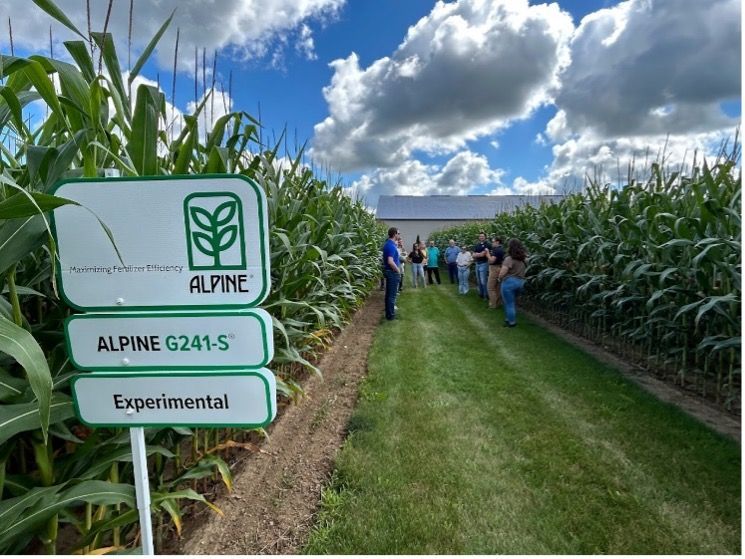
While in Southeast Saskatchewan, I had the opportunity to discuss our ALPINE Bio-K, along with the different points of influence we are looking to address. The conversation of plant and soil interaction led to a question about high Mg levels affecting soil structure and microbial activity. Knowing that Mg, Na, and K tighten soil structure, we had a good discussion about the importance of Ca for soil porosity. The interesting thing is that there are severe Mg issues in Alberta and Ontario and similar deposits in all provinces, whether levels are high or low. The one thing that makes it more difficult to manage is the local availability of amended products in each area, causing more creativity for many.
During some field walks of soybeans in Manitoba, Eastern Ontario, and Quebec last week, it was very evident that the hours of sunlight continue to support vegetation growth. There is a large variance in sunlight hours, which determines seeding rates as well as row widths. 30” seems to give us better aeration between the rows further south, while 15” rows seem to keep the plants shorter where there is excessive light, allowing for better air movement there.
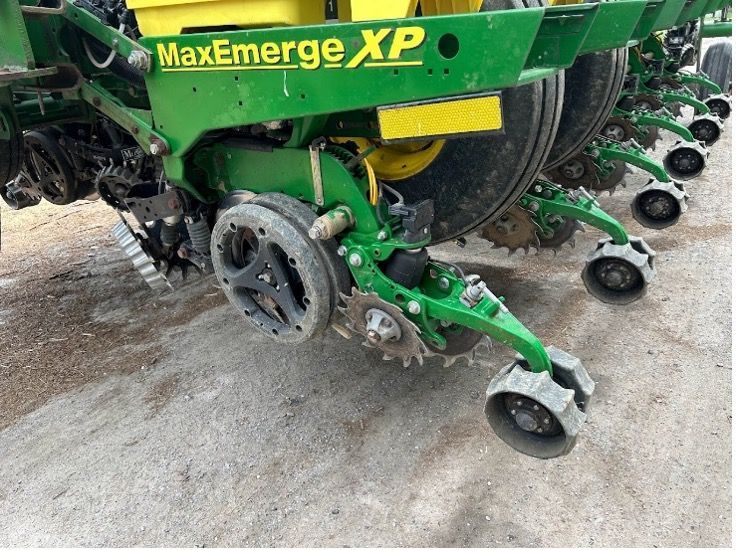
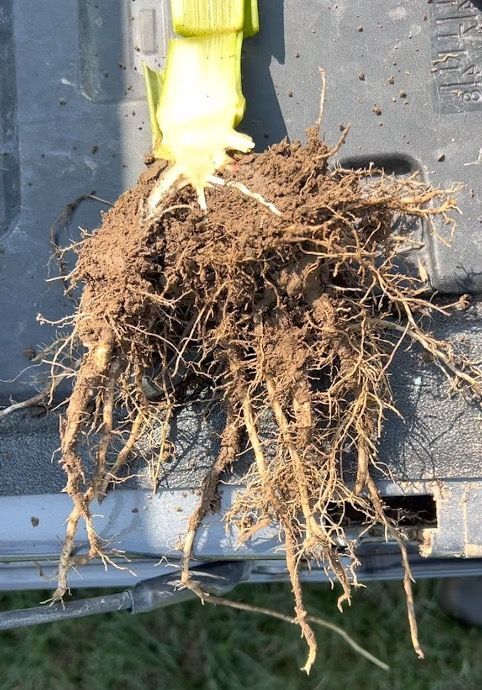
Walking corn fields and gathering yield samples has also revealed a great deal of information. From root digs to tissue samples, along with stand counts and even spacings, to cob row numbers and length counts. When cobs are not at uniform heights, along with variations in numbers around 14-20 in the same row, we need to take a closer look at our planter performance. If we take time to compare each row of our planter and do a yield count for each, we may be amazed at what we discover. We have a complete winter ahead to make corrections to what we have discovered this season.
Looking at your germination depth, as described by Dave Hula, and start to consider if we had adequate down pressure for even depth control. We also want to consider if we had proper nutrition during germination, embryo set, and embryo split timing. The more often we walk fields and gather tissue analysis, the better understanding we will have to follow plant health to amplify the genetic potential of the seeds we are planting. If we can increase a cob by two rows, from 18-20, we have the potential to gain 11% more corn.
It is also interesting, when walking in potato fields, to see the impact of uniform spacing within the rows there as well. Plant spacing continues to be a consideration in all crops, and uniform emergence is a well-known requirement for maximizing yields. It is difficult to measure without ground truthing, and while in your fields, it is easy to gather tissue samples to manage deficiencies.
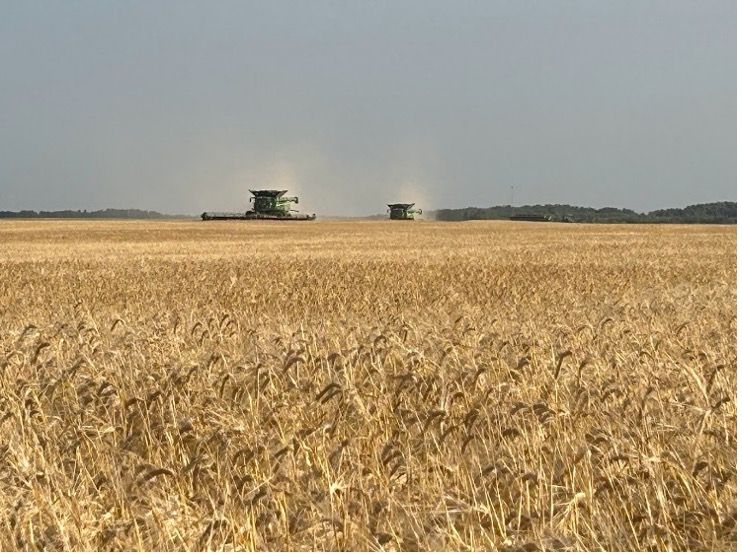
As we continue to harvest in many areas, as well as start in others, I recommend that you take a few minutes to discover what your crops show you to improve your knowledge and management skills for 2024. Soil samples to create balanced nutrition, allowing fall amendments as required. Secondly, most combines have the ability to mark disease areas matching yields to a visual, gathering data for future seed choices. Harvest is also one of the best times to discover planter issues, and even after harvest, the stubble can tell a unique story of even distribution. Matching the variability of the yield monitor to what has happened throughout the year will also strengthen our 2024 management decisions.
Time, being a nonrenewable resource, is best spent improving ourselves, our knowledge, and improving our decisions. Time well spent this fall will enhance our opportunities for next spring. Enjoy harvest where we can, and share lessons learned with your neighbors!!
-Steve McQueen, Agronomy Manager