AgroFocus Blog Series

Roots to Reproduction
Reproduction: “the action or process of making a copy of something,” and “the production of offspring by sexual or asexual process.” (The Oxford Languages)
Blog # 9, Roots to Reproduction, is one of the most interesting and amazing topics that I like to discover. As most people walk fields scouting for disease and insect damage, I like to add in the variables of tissue and root analysis. Plant health continues to play the most important role in crop quality and yield, and by maintaining it, we will allow plants to express their traits and amplify their genetic potential. By enhancing stress mediation through nutrient sufficiency, plants will be able to use fungicides as an added benefit in lieu of just a maintenance or recovery product.
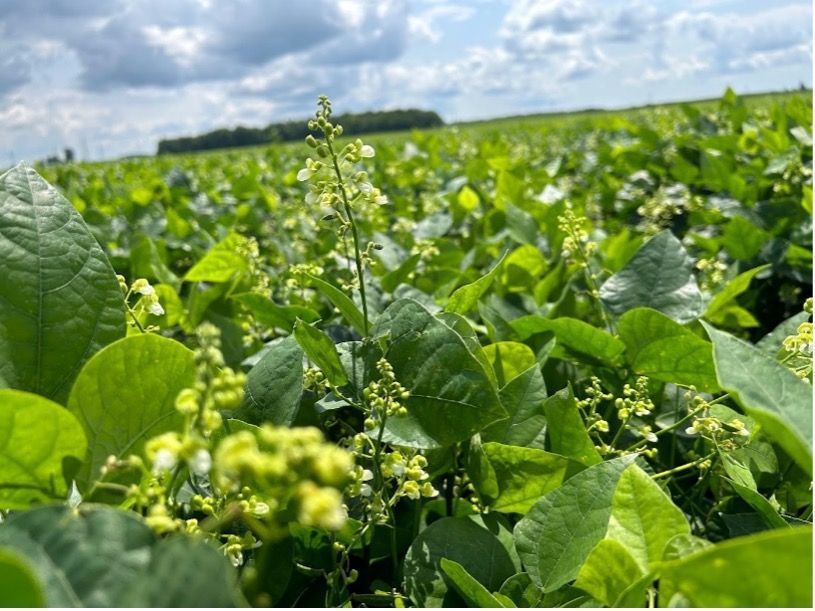
With reproduction coming to completion across most of Canada, crop fill and maturity is the final phase. Realizing that each plant is responsible for replacing itself, the natural survival mode will always exist. Because we are looking to grow beyond this plant response, intensive management, plant knowledge, and understanding will be the key points of influence that we need to continually concentrate on.
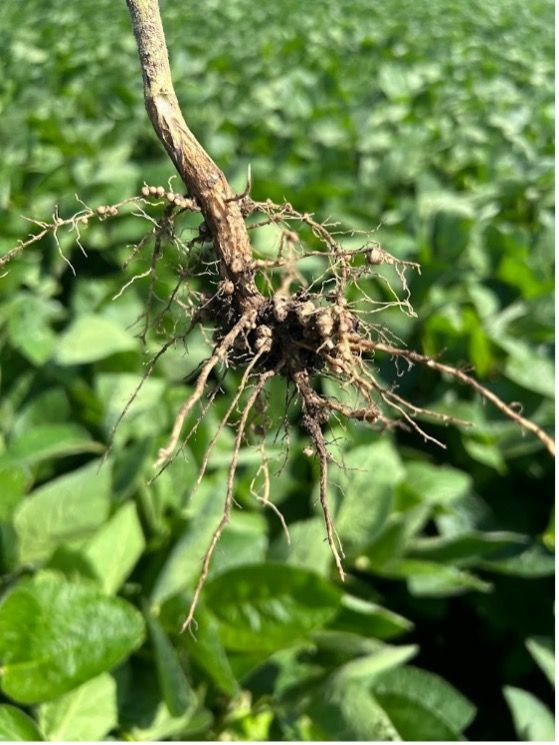
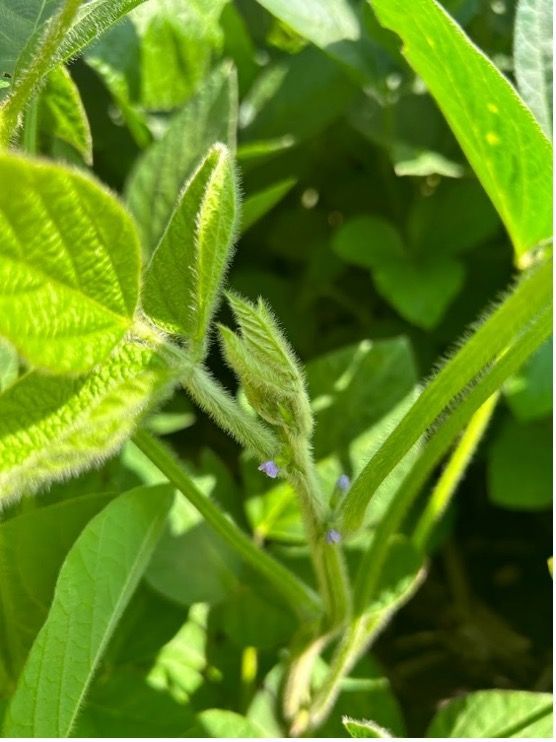
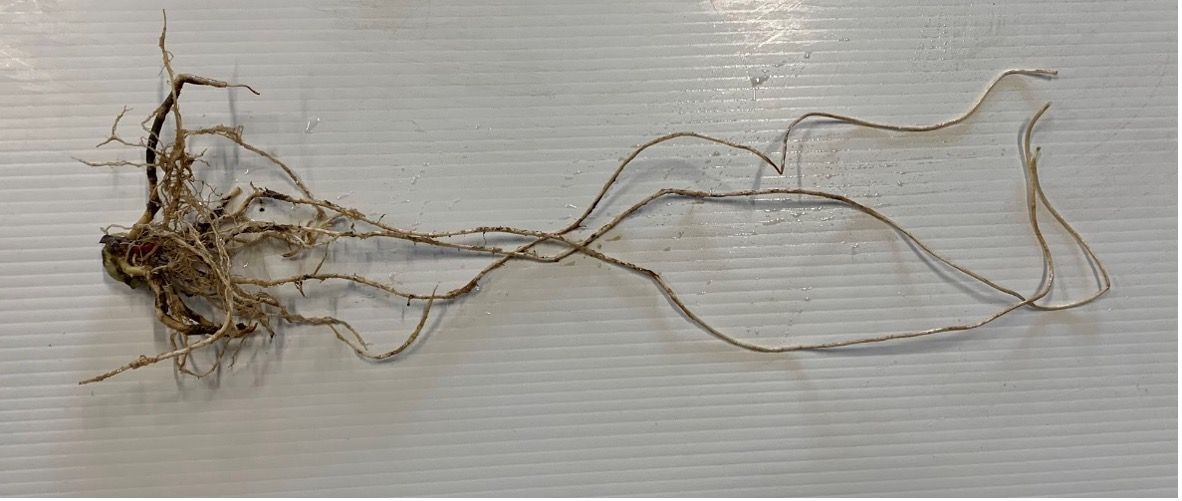
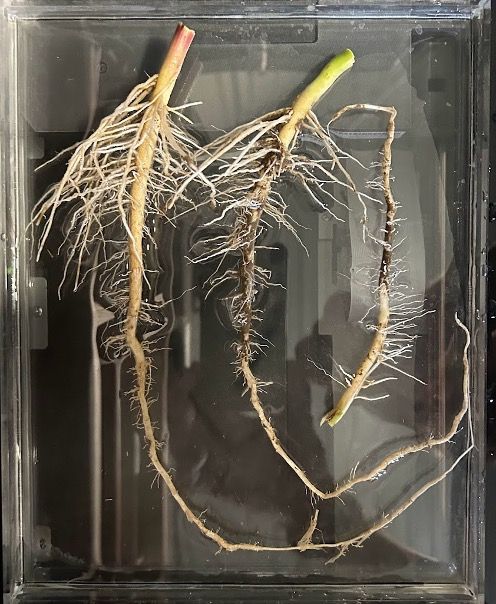
Referring to the roots we have been gathering and sampling, there are some interesting results. First, when we applied our ALPINE Bio-K® in-furrow, we found increased root tips and elongation. These tips play different roles, from nutrient and moisture uptake and management to amplifying root anchoring to increase root penetration (Bengough G et al., 2010). Secondly, we continue to see nodulation in legumes where ALPINE MicroBolt® MoCo was included with an ALPINE in-furrow. This increased nodulation will enhance the top pod fill and strengthen these legumes to better produce the protein we are growing. We are also testing root tips and tuber set in potatoes, supporting our in-furrow ALPINE Starter Program. A third project is water management, and as we are gathering results measuring water use efficiency where we include ALPINE Bio-K in-furrow, these numbers are strengthening our understanding of the advantages of increased root tips. The attached photos give a small example of what we are measuring. (Steve McQueen Blog #8)
Where the “Roots to Reproduction” makes sense to me is in the root clusters. Measured by length, surface area, and tips, we have set up a base foundation that will farm water and nutrients from the soil more efficiently. Roots must “mine the soil” for nutrients by penetrating new portions of the soil profile as they grow to extract nutrients. Newly formed roots are the most efficient for nutrient uptake, supporting stress mediation from flowering and through pollination. Each time the plant requires more nutrients and water, we have developed a stronger pathway, increasing the network relationship between plant and soil. As we further understand the concept of reproduction, it is not just in the crop but also in the microbial network that plants exist with.
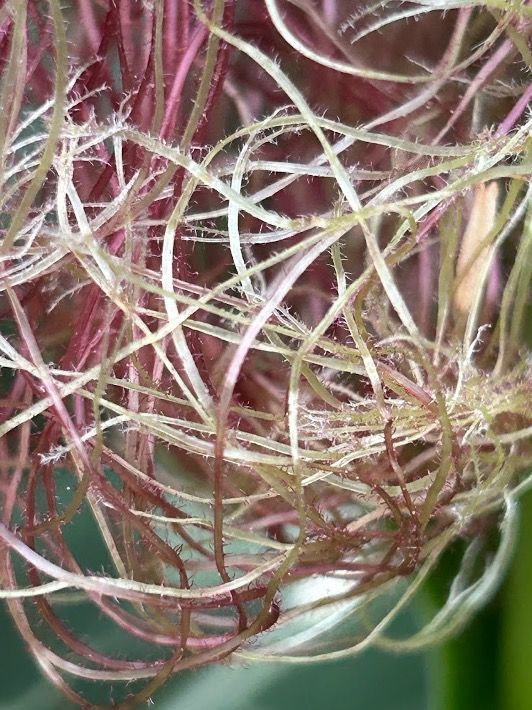
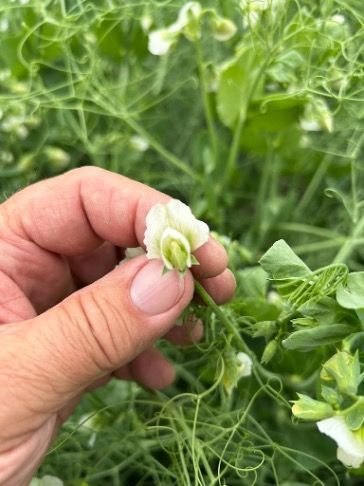
As we continue to learn about and measure these relationships, they will allow us to develop stronger management tools for our cropping plans. Increased pollination is the continuation of taking advantage of uniform germination and emergence. The closer we monitor reproduction, the more attentive we will become to our next year’s planting. Expanded learning and knowledge shared will lead us all to greater success. It is like reproduction itself, reproducing better ideas by building from the roots up!!
-Steve McQueen, Agronomy Manager