Finish What You Started
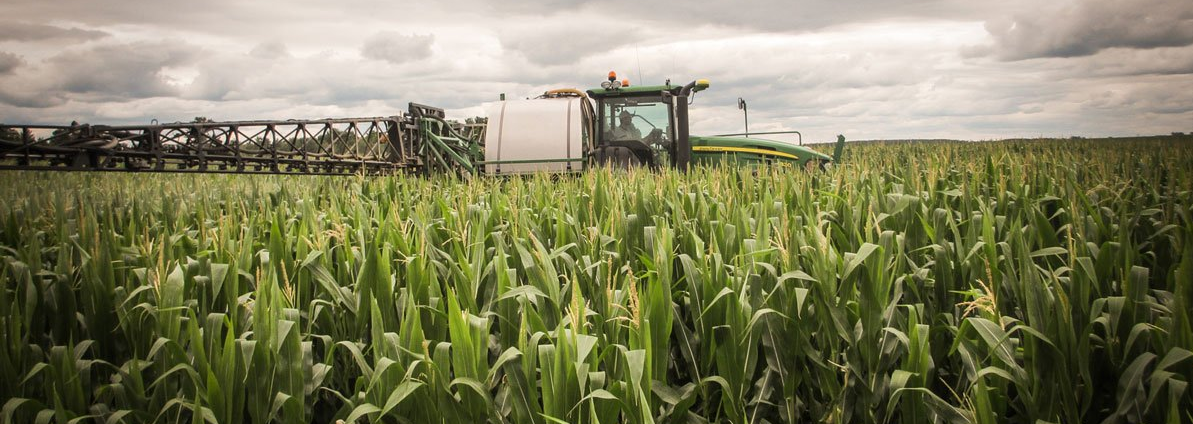
In much of the southern US, harvest has begun or many farms are laid by, but in other areas there is still plenty of crop management yet to go. The purpose of this week’s blog is to remind everyone don’t quit too soon and Finish what You Started.
Peak demand for moisture and plant nutrition is at or near its greatest demand during late season growth stages. Below are some thoughts and observations we have learned over the years to maximize late season potential and nutrient management.
- Although roughly half of the nitrogen required by soybean plants comes from the soil, these plants also need to fix nitrogen through nodulation, known as nitrogen fixation. Since a soybean plant is a legume, healthy and active nodules should populate the roots. We like to dig roots throughout the growing season to give us a snapshot of plant health, growth, and development. A healthy soybean root will have a load of nodules. These nodules should be nice and pink inside and there should be a lot of them. To enhance late season nitrogen production and to improve the odds of enhanced yield, many producers choose to add SRN to their fungicide application. NACHURS N-Rage Max, applied during pod fill, has proven to be a profitable practice. In your fungicide solution, including one to two gallons of NACHURS N-Rage Max can quickly translocate throughout the plant, feeding it a last minute shot of nitrogen over a period of days. We’ve seen this practice raise yield potential by igniting a flood of nitrogen within the plant, boosting energy and proteins.
- Another key element during flowering and pod development is potassium. If you have ever seen your leaves, on any crop, begin to turn yellow around the margins and migrate inward late in-season during flowering, odds are you are seeing a potassium deficiency. Most crops are a sink for potassium at this growth stage and can benefit from an available source of K. NACHURS K-fuel, powered by Bio-K, has proven to be an excellent source for late season potassium when foliar applied. With our newer, higher yielding hybrids and varieties, we are using and removing much more potassium than just 8 – 10 years ago. We have received more calls and inquiries regarding soybean, corn, cotton, alfalfa, etc turning yellow toward the end of the season than ever before. Know the difference between nitrogen and potassium deficiencies. They are different. There are many reasons for this… including higher pH soils tying up not only phosphate but potassium as well. Higher yields we are harvesting are using and removing more K than ever before. Our seeding rates have also increased, leaving a deficit amount of plant food for the number of plants and yield potential in the ground. If you need to address low potassium levels late season, consider adding NACHURS K-fuel to your fungicide application on any crop or with your mepiquat application in cotton.
- We have customers who combine NACHURS N-Rage Max with NACHURS K-fuel to get a greater bang for their buck.
Bottom line is, don’t quit too early and miss an opportunity to Finish what You Started. We’ve invested too much time, expense, effort, and stress to not try and put our crop over the top, especially if you have a crop that has potential of being good to excellent. Give your NACHURS dealer a call, contact one of us, or log onto www.nachurs.com
for more details and information.
Blessings for a Profitable and Safe Harvest