Progress!
Progress, it can be defined in many ways ………… Webster’s dictionary states it as “a forward or onward movement”, in the world of nutritional products and crop production I see as this.
Progress is researching, developing, testing and distributing better tools that assist those of us in crop production while we meet the challenges, push for bigger yields, and provide better quality agricultural products.
The fact is that we as producers must soon meet the production demand of the future and we are NOT going to be able to do this with traditional products and historical methods of production.
NACHURS has understood this fact and has been purposefully developing the tools of the future, bringing new products and making more effective application methods possible.
Recently I was reminded of this while working with a current customer. We were again demonstrating the value of cleaner nutritional products first of all, products with lower salt indexes and no chlorine paired with features that supply the newest potassium and biological technology; a “program” linking the value of a host of components for a common goal. We’ve done similar comparisons with similar results many times.
The day of simply choosing a product from one company and others from someone else may soon be replaced by working with a preferred partner to customize a crop production program, focused on specific production needs and linking the advantages of nutrient science.
The payoff for this approach is generally better yields and almost always better quality. I see this probably more pronounced in our Specialty Crop world where yield is important but the quality of the crop and the physical attributes of the crop can be equally important.
Let me give you an example ………… I have provided a couple of pictures so let me set this up. The base granular treatment and everything else up to this point has been treated the same with one exception, the bed starter.
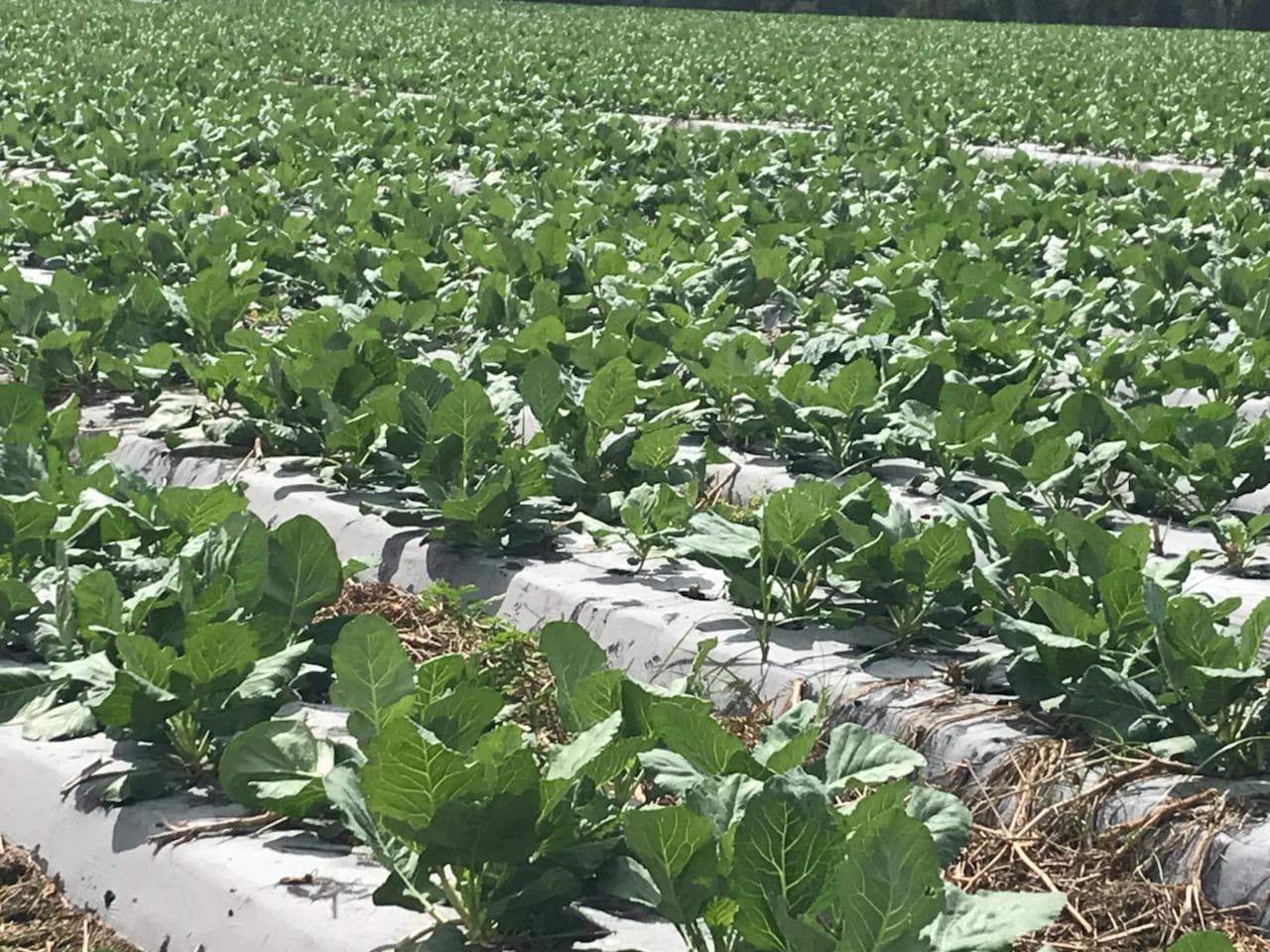
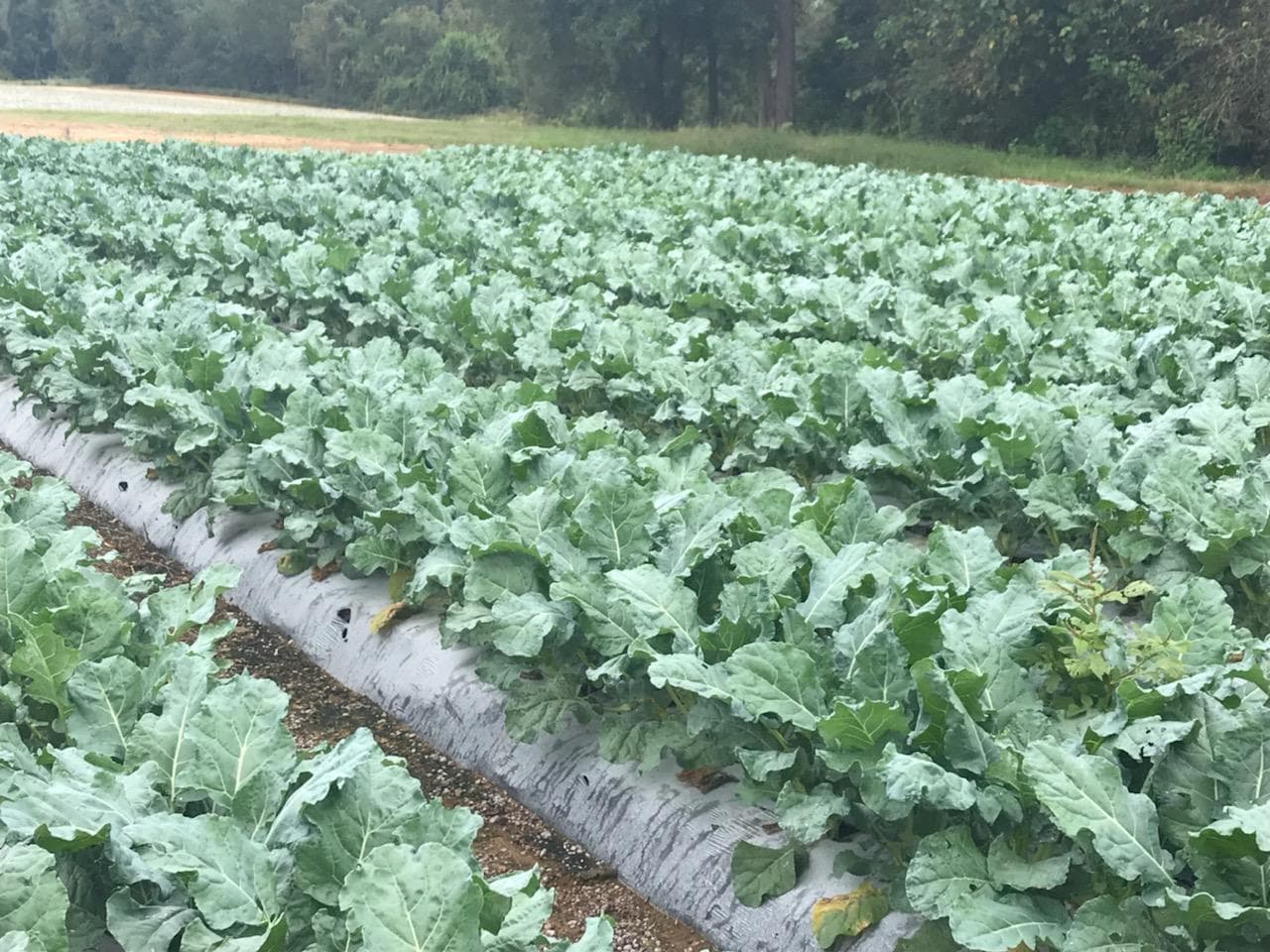
The traditional side is obviously the grower standard while the NACHURS side has been matched gallon for gallon with more advanced products that include added value and the differences are marketable!
The plant stand, vigor, and crop density are the more pronounced differences that can be seen. Think about it! If a safer product, one that can improve germination, reduce seedling mortality and energize seedling vigor can improve stand just by 5%, that is already an increase in yield! In just a few short weeks by using more productive products, you have established the opportunity for an increase in yield. No matter what crop, a better plant stand with a healthier, more vigorous start is the foundation for good things to come.
What’s exciting to me as a production specialist is that the advancement of the new sciences and the value they bring doesn’t stop with emergence. The biological additions to nutritional products develop conditions in the field biome and encourage plant responses like better nutrient assimilation and improved plant stress mitigation that continue to add value throughout the cropping season, again adding incremental value on top of an established increase in plant stand.
Then we have the king of all tools in my opinion ………the Bio-K line of products. The introduction of the Bio-K line brings immeasurable opportunity, providing higher quality potassium nutrition and complete flexibility of application to producers across the cropping spectrum. In my opinion, there is no single nutrient that influences crop production like potassium and now we have the capability to apply potassium whenever needed, with the highest efficiency and most effectiveness. Better dollars spent and better crop production as a result!
I say all of this to make a point. Production, looking forward, will take on a much different look. Sure we will still recognize our industry but we will begin to do things much differently than we are doing today. Growers will link individual product strengths in many more ways than we currently do. We will link seed technologies with the environment and the soils ability to produce with crop protection technologies and power all of this with advanced nutritional and biological products. Change ……well it’s coming whether we like it or not and change we must.
Old ways and familiar products will be upgraded to better ways of doing things and better products in which to produce the food products of the future. NACHURS and your NACHURS retail partner is a big part of that change today and will be there when our industry produces the food sources that feed a doubling population.
For more information about the Bio-K and Rhyzo-Link line of products reference our link at www.nachurs.com or contact your nearest NACHURS dealer or representative.