
What is 2x2 Fertilizer Placement?
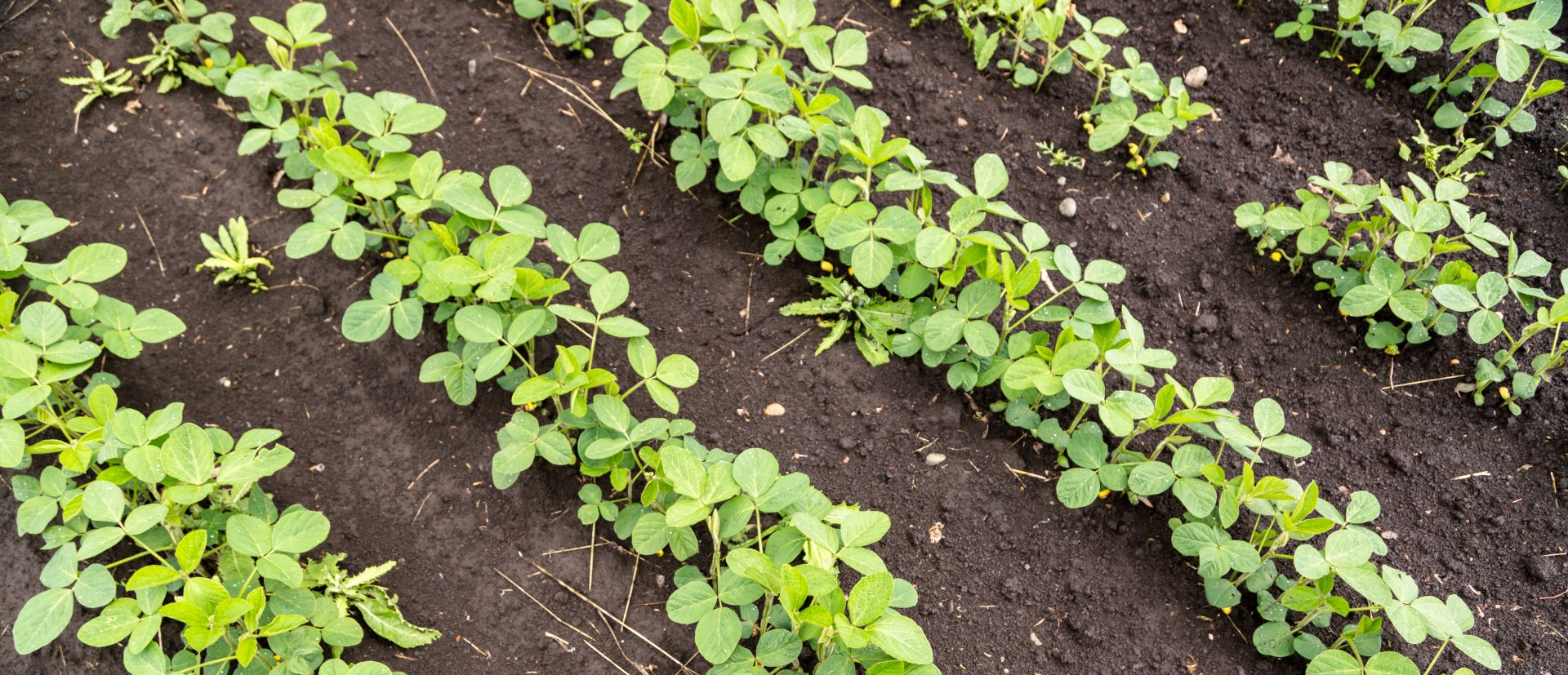
2x2 fertilizer placement (also known as pop-up or starter depending on what part of the country you are from) is a great companion to in-furrow fertility, creating a type of relay effect for prolonged root feeding potential. It is also a great way to provide planter-applied fertility when in less-than-ideal environments (low OM, sandy soils, etc.) or for use in salt sensitive crops (soybean, cotton, etc.). Although technically not exactly 2” to the side and 2” below the seed, it is however a band of highly concentrated fertilizer giving the plant a needed boost of nutrition early in the growing season.
2x2 is one of the most common options for starter fertilizer placement, with the other being in-furrow. Both methods are good options and are used commonly thorough the United States, with each having their own set of strengths and weaknesses. In-furrow uses less product and requires less equipment. However, 2x2 allows for more flexibility and placement of a higher percentage of nitrogen, one of the most essential building blocks for plant growth. Most importantly, you can achieve either method with a high-quality NACHURS fertilizer to ensure your crops get the nutrients they need.
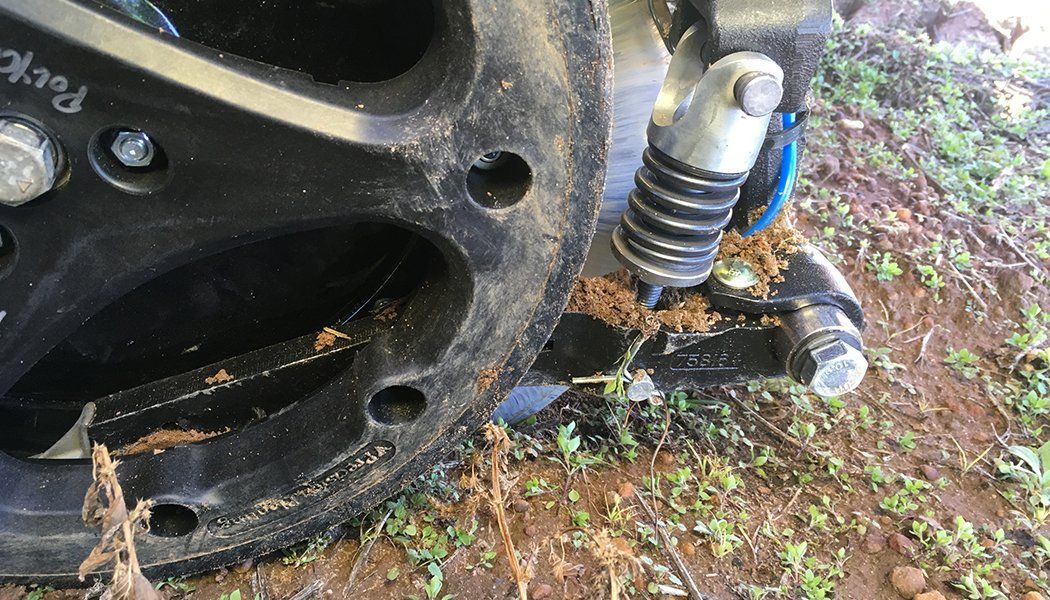
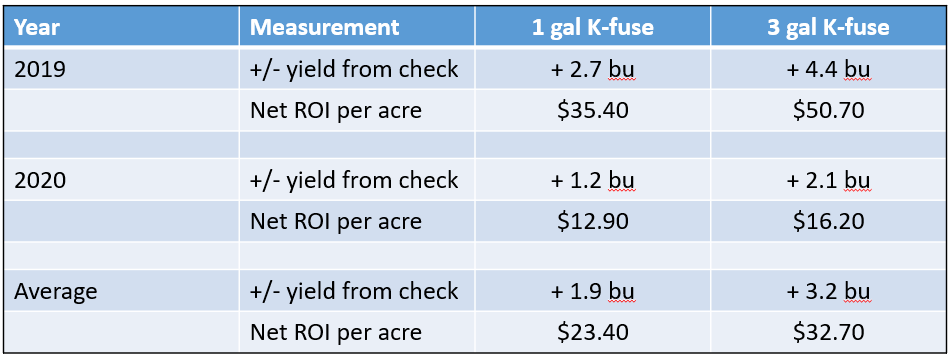
NACHURS K-Fuse (6-0-12-12S) is a great option for 2x2 starter application due to its ability to be mixed UAN solutions (4 parts UAN32 or 3 parts UAN28 to 1 part K-fuse). Powered by Bio-K® potassium acetate and high in sulfur, it is designed to work with high-nitrogen fertility programs. It not only addresses deficiencies but also improves nitrogen use efficiency. In a 2019-2020 PTI field study, adding 3 gallons of K-Fuse was shown to increase yield by an average of 3.3 bushels per acre, with an increased ROI of $32.70 per acre. A good starter fertilizer is proven to increase yield! The body content of your post goes here. To edit this text, click on it and delete this default text and start typing your own or paste your own from a different source.
The early growth stages are the most important to ensure a healthy plant and high yields, making starter fertilizer invaluable during planting. This is especially true in cold soils where roots don’t grow as quickly. Most crop nutrients must be very near the root structure in order to be effective. This is why 2x2 fertilizer works so well, as applying nutrient in the proximity of the root system improves nutrient efficiency right from the start.
In addition to K-Fuse, NACHURS offers many product options to place high quality NPK, Micronutrient and Potassium-Sulfur treatments for 2x2 and other starter fertilizer applications. Take a look at our starter fertilizers or contact a NACHURS representative to find the best products for you.