AgroFocus Blog Series

A Plants Quadrathlon
A Quadrathlon is an endurance sports event composed of four individual disciplines. All four disciplines are completed in succession, and the lowest overall time decides the winner. The events in order are swimming, biking, kayaking, and running. (Wikipedia)
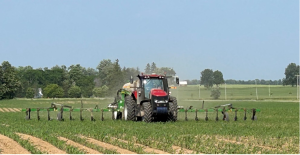
As I look back on my past five blogs, I realize how quickly seasons pass, and while side-dressing nitrogen and spraying plots the past few days, it became evident that our crops are competing against time. Comparing a growing season to a quadrathlon seemed to represent what we are all witnessing, knowing that at certain times within each growing season, there are cycles where we can influence our crops.
When comparing cropping to a sports quadrathlon, we need to consider four disciples to influence and monitor for success. We also need to understand the plant must endure each of these events and, with properly balanced support, become more substantial as the year advances.
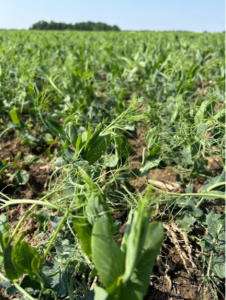
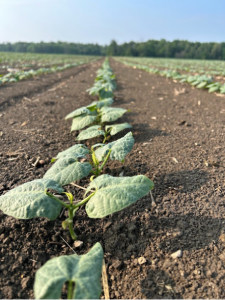
First is plant establishment , followed by the early vegetation stages. In many cases, this is where we are and what we support with our in-crop fertility and crop protection programs. We must pay close attention to what we see and document our findings, as we can not fix crop establishment now, but learn what we must address before next year.
With the two steps quickly falling behind us, we must focus on the disciplines that can still be managed. Reproduction from flowering through pollination and then on to crop fill and maturity . With both these events approaching quickly, we need to monitor flower sets, development, and plant health for improved pollination and seed/fruit set. This crucial timing passes very rapidly and takes attention to detail for us to make corrections on the fly. Tissue /sap samples become critical at this stage to ensure we understand our crops requirements, matching nutrient deficiencies with products that will benefit health and efficiency, empowering our crops while maximizing yield potential.
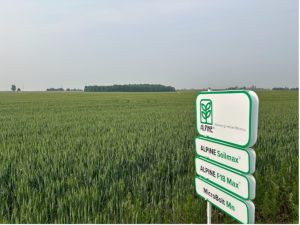
When matching nutrients to your deficiencies, you will want to consider a balanced approach, including nutrients that synergize with each other. A carrier product that will create added value is where ALPINE Bio-K products are set apart. With the added value of potassium acetate, this highly soluble source of K has a point of deliquescence, allowing it to stay in the solution above 23% humidity. Being a plant metabolite, ALPINE Bio-K increases the metabolism of your crop, improving the uptake of the micronutrients required. To ensure we manage our resources to the best of our abilities, ALPINE has developed a line of foliar products to Maximize Fertilizer Efficiency . (Steve McQueen Blog #5)
In wrapping up this blog around “A Plants’ Quadrathlon,” I want to encourage everyone to continue ground truthing and spend time understanding the value of manganese and boron, along with calcium and magnesium, when we are looking to enhance metabolism and pollination. I also encourage you to reach out to your ALPINE Dealer and DSM network to understand better why to include ALPINE Bio-K , improving your plants’ potassium while Maximizing Fertilizer Efficiency across your farm!
Plant Establishment, Early Vegetation, Reproduction, and Crop Fill through Maturity increase plant health and yield. How will you enhance the opportunity for your crop success?
-Steve McQueen, Agronomy Manager
Click on the images to view them.